
Introduction
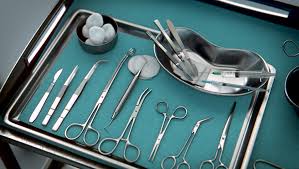
Surgical instruments are specialized tools designed to perform specific tasks during medical procedures. They play a critical role in modern medicine by enabling surgeons to diagnose, treat, repair, and prevent diseases and injuries with precision and safety. From simple scalpels to advanced laparoscopic tools, have evolved significantly over time, reflecting advancements in medical science and technology. Understanding surgical instruments is essential for students, healthcare professionals, and anyone interested in how surgeries are safely and effectively performed.
History and Evolution of Surgical Instruments
The history of surgical instruments dates back thousands of years. Archaeological discoveries show that early civilizations such as the Egyptians, Greeks, and Romans used basic surgical tools made of bronze and iron. Ancient surgeons performed procedures like wound stitching, bone setting, and even primitive brain surgeries using simple knives, hooks, and forceps.
During the Middle Ages, progress slowed due to limited scientific knowledge and poor hygiene practices. However, the Renaissance period brought renewed interest in anatomy and surgery. Surgeons began designing more specialized instruments based on a better understanding of the human body.
The 19th and 20th centuries marked major breakthroughs. The introduction of anesthesia, antiseptics, and sterilization methods transformed surgery into a safer practice. Stainless steel replaced earlier materials, making instruments more durable and easier to sterilize. Today, surgical instruments include not only traditional hand tools but also robotic, laser, and minimally invasive devices.
Classification of Surgical Instruments
are classified based on their function. This classification helps surgeons and operating room staff organize and use them efficiently during procedures.
a) Cutting and Dissecting Instruments
These instruments are used to cut tissue or separate body structures.
–Scalpels: Small, sharp knives used to make precise incisions.
–Scissors: Used to cut tissue, sutures, or dressings. Examples include surgical scissors and dissecting scissors.
–Bone cutters: Designed to cut or remove bone during orthopedic procedures.
Cutting instruments must be extremely sharp to reduce tissue damage and promote faster healing.
b) Grasping and Holding Instruments
These instruments help hold tissues, organs, or materials.
–Forceps: Tweezer-like tools used to grasp tissues or objects.
–Clamps: Used to hold blood vessels or tissues securely.
–Needle holders: Specifically designed to hold needles during suturing.
These instruments provide control and stability, allowing surgeons to work accurately.
c) Retracting and Exposing Instruments
Retractors are used to hold back tissues and organs to provide better visibility and access to the surgical site.
- Handheld retractors: Operated manually by an assistant.
- Self-retaining retractors: Stay in place without being held.
Proper retraction minimizes tissue damage and improves surgical precision.
d)Suturing and Stapling Instruments
These are used to close wounds or surgical incisions.
- Suture needles: Used with thread to stitch tissues together.
- Staplers: Provide quick and consistent wound closure.
- Suture scissors: Used to cut sutures after closure.
Effective wound closure is essential for healing and infection prevention.
e) Suctioning and Aspirating Instruments
These instruments remove blood, fluids, or debris from the surgical area.
- Suction tips: Connected to vacuum systems.
- Aspiration needles: Used to withdraw fluids or tissue samples.
Clear visibility is crucial during surgery, making these tools essential.
Materials Used in Surgical Instruments
Most surgical instruments are made from stainless steel, which is strong, corrosion-resistant, and easy to sterilize. Some instruments are made from:
–Titanium: Lightweight and non-magnetic, often used in specialized surgeries.
–Plastic: Used for disposable instruments to prevent cross-contamination.
–Carbon steel: Extremely sharp but requires careful maintenance.
The choice of material affects durability, safety, and performance.
Sterilization and Maintenance
Sterilization is critical to prevent infections. Surgical instruments must be thoroughly cleaned, disinfected, and sterilized before and after use. Common sterilization methods include:
–Autoclaving (steam sterilization)
–Chemical sterilization
–Gas sterilization
Proper maintenance, such as regular inspection and sharpening, ensures instruments remain safe and effective.
Role of Surgical Instruments in Different Medical Specialties
Different medical fields require specialized instruments:
–General Surgery: Scalpels, forceps, retractors.
–Orthopedic Surgery: Bone drills, saws, and plates.
–Neurosurgery: Extremely fine instruments for delicate brain and nerve work.
–Cardiac Surgery: Instruments designed for heart and blood vessels.
–Dentistry: Dental forceps, drills, and mirrors.
Each specialty demands precision tools tailored to specific procedures.
Modern Advances in Surgical Instruments
Technology has revolutionized surgical instruments in recent years.
Minimally Invasive Instruments
Laparoscopic tools allow surgeries through small incisions, reducing pain, scarring, and recovery time.
Robotic Surgical Instruments
Robotic systems assist surgeons by providing enhanced precision, flexibility, and control. These systems are especially useful in complex procedures.
Smart and Digital Instruments
Some modern instruments include sensors and imaging technology, helping surgeons make real-time decisions during operations.
Importance of Surgical Instruments in Patient Safety
Surgical instruments directly impact patient outcomes. Well-designed and properly sterilized tools reduce:
-Risk of infection
-Tissue damage
-Surgery time
-Postoperative complications
Trained surgical teams rely on these instruments to perform procedures safely and efficiently.
Challenges and Ethical Considerations
Despite advancements, challenges remain:
-High costs of advanced instruments
-Need for proper training
-Safe disposal of disposable tools
-Ensuring access in low-resource settings
Ethical use and equal access to surgical technology are important global healthcare concerns.
Conclusion
Surgical instruments are the foundation of safe and effective surgical care. From ancient tools to modern robotic systems, they reflect humanity’s continuous effort to improve health and save lives. Understanding their types, uses, materials, and importance highlights how essential they are in modern medicine. As technology continues to advance, surgical instruments will become even more precise, efficient, and patient-centered, shaping the future of healthcare.












Leave a Reply