
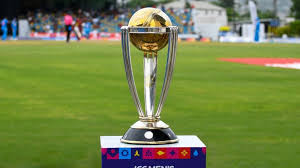
Cricket is more than just a sport—it is a passion, a lifestyle, and a source of pride for millions around the globe. From the bustling streets of Mumbai to the sun-drenched pitches of Australia, cricket inspires devotion unlike any other game. At the heart of this global obsession lies the Cricket World Cup 2026, the ultimate ODI tournament where nations clash, legends are born, and unforgettable memories are made.
The Cricket World Cup is not merely a competition; it is a celebration of athleticism, strategy, perseverance, and national pride. Every edition brings new stories, dramatic finishes, and moments that fans carry with them forever. In this article, we will explore the history of the Cricket World Cup, its evolution, cultural significance, memorable moments, and what fans can expect in 2026.
Origins and Early History of the Cricket World Cup
The first Cricket World Cup took place in 1975, hosted by England. At that time, the tournament featured only eight teams and introduced a revolutionary format: One Day International (ODI) cricket. Unlike Test cricket, which could span up to five days, ODIs were designed to be completed in a single day, making cricket faster, more accessible, and more exciting for fans.
The West Indies dominated the inaugural tournament, showcasing their legendary combination of fast bowling and explosive batting. However, the 1983 World Cup changed forever. India, led by Kapil Dev, defeated the mighty West Indies in the final, sending shockwaves across the cricketing world. This historic win did more than crown a champion—it inspired a generation of cricketers and fans across Asia, solidifying the World Cup’s global significance.
Since its inception, the Cricket World Cup has grown from a modest eight-team event to a global festival of cricket, attracting traditional powerhouses and emerging nations alike. With each tournament, cricket expands its footprint, reaching new fans and inspiring future generations.
Why the Cricket World Cup Is Unique
The Cricket World Cup stands out among all international tournaments for several reasons:Cricket World Cup 2026,
1. A Global Stage for Cricketing Nations
The tournament brings together the best cricketing nations from around the world. While countries like Australia, India, and England have historically dominated, emerging teams such as Afghanistan, Ireland, and Nepal have added unpredictability and excitement. This diversity strengthens cricket’s global appeal and allows fans to witness different styles of play, from explosive batting to strategic bowling.
2. High-Stakes Drama
Few sporting events match the intensity of the Cricket World Cup. Every match carries weight, and a single over can change the course of the tournament. Underdogs frequently produce stunning upsets, while pressure-filled knockout rounds test even the most seasoned players. Many matches are decided in the final overs, creating suspense that keeps fans on the edge of their seats.
3. A Showcase for Legends
The World Cup has always been a stage for legends to shine. From Sachin Tendulkar’s masterful batting to Wasim Akram’s lethal swing bowling, the tournament has produced performances that define careers. Modern stars such as Virat Kohli, Kane Williamson, and Rashid Khan continue this tradition, inspiring millions of young players to dream big.
Evolution of the Tournament Format
The Cricket World Cup has evolved to ensure fairness, competitiveness, and entertainment:
- Early Editions: Featured simple group stages followed by semifinals and finals, ideal for a small number of teams but limited in excitement.
- Super Six and Super Eight: Introduced intermediate rounds to ensure top teams met before the final, increasing competitiveness.
- Modern Format: Recent tournaments, including 2019, have used a round-robin format, where every team plays all others, followed by semifinals and the final. This guarantees that every match matters, keeping fans engaged throughout the ODI cricket tournament.
These adaptations reflect cricket’s flexibility and its commitment to delivering an exciting global event.
Memorable Moments in Cricket World Cup History
The history of the Cricket World Cup is filled with unforgettable moments:
- India 1983: India’s victory over the West Indies stunned the world and inspired millions of fans.
- Pakistan 1992: Led by Imran Khan, Pakistan claimed their first World Cup, overcoming early setbacks with extraordinary leadership.
- Australia’s Era of Dominance: Winning in 1999, 2003, 2007, and 2015, Australia set a benchmark for excellence in ODI cricket.
- 2019 Final Drama: England’s first World Cup victory was decided by boundary count after a tied Super Over against New Zealand, one of the most thrilling finishes in cricket history.
These moments showcase why the Cricket World Cup remains the most captivating event in international cricket.
Cultural Significance of the Cricket World Cup
The Cricket World Cup is about more than sport—it has profound cultural impact:
- Uniting Fans: From South Asia to the Caribbean, Australia, and Europe, fans gather to celebrate the sport, sharing joy and community.
- National Pride: Victories spark celebrations that can last days, turning cricket into a source of collective pride.
- Inspiring Youth: Young players aspire to follow in the footsteps of cricket legends, ensuring the next generation carries forward the sport.
The tournament becomes a festival, a conversation starter, and a unifying force, proving that cricket transcends boundaries and cultures.
Records and Achievements
The Cricket World Cup is where legends are made and records are broken:
- Most Runs: Sachin Tendulkar, Kumar Sangakkara, and Ricky Ponting are among the top run-scorers in World Cup history.
- Most Wickets: Glenn McGrath, Muttiah Muralitharan, and Lasith Malinga are remembered for their exceptional bowling achievements.
- Fastest Centuries and Innings: Explosive performances define matches and create thrilling memories for fans.
Every edition sees new stars emerge, blending historical achievements with contemporary brilliance.
Women’s Cricket World Cup
The Women’s Cricket World Cup, established in 1973, predates the men’s tournament. Teams like Australia, England, and India have delivered thrilling matches, inspiring countless young girls to pursue cricket professionally.
With growing media coverage, sponsorship, and professional opportunities, the Women’s plays a pivotal role in promoting gender equality in sports, ensuring cricket continues to grow globally for all players.
Technology in Modern Cricket
Modern ODI cricket tournaments have embraced technology to enhance fairness and fan experience:
- Decision Review System (DRS): Ensures umpiring accuracy using ball-tracking and edge detection.
- Super Overs: Resolve tied matches under high-pressure situations.
- Broadcast Innovations: HD coverage, multiple camera angles, and real-time stats make the tournament immersive for viewers worldwide.
Technology ensures the Cricket World Cup remains fair, exciting, and engaging for fans everywhere.
The Future of the Cricket World Cup cricket evolves, so does the World Cup:
- New Hosts and Venues: Future tournaments will travel to more countries, allowing fans to witness live matches across continents.
- Expanding Participation: More teams will compete, helping cricket grow in emerging regions.
- Influence of T20 Cricket: While the remains an ODI tournament, strategies influenced by T20 cricket add innovation and excitement to play styles.
The Cricket World Cup continues to balance tradition with innovation, ensuring it remains the pinnacle of international cricket.
Why the Cricket World Cup Matters
The Cricket World Cup 2026 matters because it:
- Unites Nations: Fierce rivalries exist, but mutual respect and admiration prevail.
- Showcases Talent: Players demonstrate skill, strategy, and resilience under pressure.
- Creates Memories: Fans witness dramatic finishes, record-breaking performances, and inspiring moments.
- Influences Culture: Songs, chants, and celebrations surrounding the tournament become part of global culture.
It is more than a sporting event—it is a celebration of human potential, teamwork, and shared passion.
Conclusion: More Than Just Cricket
The Cricket World Cup is a global phenomenon, blending athletic excellence, national pride, and cultural significance. From historic victories to last-ball thrillers, it creates stories that endure long after the final whistle.
Every edition reminds us that cricket is not just a game—it is a universal language of passion, perseverance, and unity. The World Cup resonates not only on the field but in the hearts of millions worldwide, inspiring new generations and connecting fans across borders.
For players, it is the ultimate challenge. For fans, it is the ultimate celebration. And for cricket as a sport, it is the pinnacle that every team, player, and supporter dreams of reaching.





Leave a Reply