
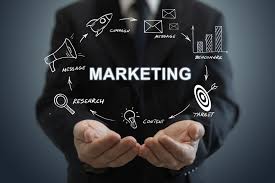
In today’s fast-paced, technology-driven world, digital marketing has become one of the most powerful tools for businesses, organizations, and individuals. As the internet and digital devices continue to shape how people communicate, shop, learn, and interact, marketing has also evolved from traditional methods like newspapers, billboards, and television into a more dynamic, data-driven, and interactive approach known as digital marketing. This form of marketing allows businesses to reach global audiences instantly, measure performance accurately, and build long-term relationships with customers.
What Is Digital Marketing?
Digital marketing refers to all marketing efforts that use digital channels such as the internet, mobile devices, search engines, social media platforms, email, and websites to promote products, services, or brands. Unlike traditional marketing, digital marketing enables two-way communication between businesses and consumers. Customers can interact with brands through comments, messages, reviews, and shares, making marketing more personalized and engaging.
The main goal of digital marketing is to connect with the right audience at the right time and on the right platform. Since most people spend a significant amount of time online, digital marketing helps businesses meet customers where they already are.
Evolution of Digital Marketing
Digital marketing has evolved alongside technological advancements. In the early days of the internet, marketing mainly involved simple websites and email campaigns. As search engines like Google became popular, search engine optimization (SEO) and search engine marketing (SEM) emerged. Later, the rise of social media platforms such as Facebook, Instagram, Twitter, and YouTube transformed how brands communicate with audiences.
Today, digital marketing includes advanced tools such as artificial intelligence, automation, data analytics, influencer marketing, and personalized advertising. This evolution has made marketing more efficient, measurable, and customer-centric than ever before.
Importance of Digital Marketing
Digital marketing is important for several reasons:
- Global Reach – Businesses can reach customers across countries and continents without physical limitations.
- Cost-Effectiveness – Compared to traditional advertising, digital marketing is often more affordable and offers a better return on investment.
- Measurable Results – Marketers can track performance in real time using analytics tools.
- Targeted Marketing – Ads and content can be tailored to specific demographics, interests, and behaviors.
- Customer Engagement – Digital platforms allow direct interaction with customers, helping build trust and loyalty.
These advantages make digital marketing essential for both small startups and large corporations.
Key Components of Digital Marketing
Digital marketing is a broad field that includes several important components. Each plays a unique role in creating a successful marketing strategy.
Search Engine Optimization (SEO)
SEO is the process of optimizing a website to rank higher on search engine results pages. When users search for information, products, or services, they are more likely to click on the top results. SEO involves using relevant keywords, creating high-quality content, improving website speed, and ensuring mobile friendliness.digital markitring
Effective SEO increases organic (unpaid) traffic and helps build long-term online visibility.
Content Marketing
Content marketing focuses on creating valuable, relevant, and consistent content to attract and retain an audience. This content may include blog posts, articles, videos, infographics, podcasts, and eBooks. Instead of directly promoting a product, content marketing aims to educate, inform, or entertain users.
High-quality content builds credibility, improves SEO, and helps establish a brand as an authority in its field.
Social Media Marketing
Social media marketing involves promoting brands and content on platforms such as Instagram, Facebook, TikTok, LinkedIn, and Twitter. It helps businesses connect with audiences in a more personal and interactive way. Through posts, stories, reels, and live videos, brands can share updates, run promotions, and engage directly with followers.digital markitring
Social media marketing is especially effective for brand awareness, customer engagement, and community building.
Email Marketing
Email marketing is one of the oldest yet most effective digital marketing strategies. It involves sending targeted emails to subscribers to promote products, share updates, or provide valuable information. Personalized email campaigns can significantly increase customer retention and conversions.
When done correctly, email marketing builds strong relationships and keeps customers informed and engaged.
Pay-Per-Click Advertising (PPC)
PPC advertising allows businesses to display ads on search engines or social media platforms and pay only when users click on them. Google Ads and social media ads are common examples. PPC provides quick results and allows precise targeting based on location, age, interests, and behavior.
This strategy is useful for driving immediate traffic and promoting time-sensitive offers.
Affiliate Marketing
Affiliate marketing involves partnering with individuals or companies who promote products in exchange for a commission. Affiliates earn money when their referral leads to a sale. This strategy expands reach and leverages the influence of content creators and bloggers.digital markitring
Influencer Marketing
Influencer marketing uses popular individuals on social media to promote brands. Influencers have loyal followers who trust their opinions. By collaborating with influencers, businesses can reach niche audiences more authentically.
Role of Data and Analytics
One of the biggest strengths of digital marketing is data. Marketers can track website traffic, user behavior, conversion rates, and campaign performance using tools like Google Analytics. This data helps businesses understand what works and what doesn’t, allowing them to improve strategies continuously.
Data-driven decision-making leads to better targeting, improved customer experiences, and higher return on investment.
Digital Marketing Strategies
A successful digital marketing strategy combines multiple channels and techniques. The process usually includes:
- Setting Clear Goals – Such as increasing sales, website traffic, or brand awareness.
- Understanding the Target Audience – Knowing customer needs, interests, and online behavior.
- Choosing the Right Platforms – Selecting channels where the audience is most active.
- Creating Quality Content – Providing value to users consistently.
- Monitoring and Optimization – Analyzing performance and making improvements.
An integrated approach ensures consistent messaging and better results.
Challenges in Digital Marketing
Despite its advantages, digital marketing also has challenges. High competition makes it difficult to stand out. Constant changes in algorithms and technology require continuous learning. Privacy concerns and data protection regulations also affect how marketers collect and use data.
Additionally, maintaining authenticity and trust in a digital environment can be challenging. Businesses must focus on ethical practices and genuine communication.
Future of Digital Marketing
The future of digital marketing is shaped by innovation and technology. Artificial intelligence, voice search, augmented reality, and personalized experiences are becoming more common. Video content and short-form media continue to dominate social platforms.
digital markitring. As consumers become more informed and selective, brands will need to focus on transparency, value, and meaningful connections. Digital marketing will continue to evolve, offering new opportunities for creativity and growth.digital markitring
Conclusion
Digital marketing has transformed the way businesses communicate with customers. It offers flexibility, efficiency, and measurable results that traditional marketing cannot match. By using strategies such as SEO, content marketing, social media, and email marketing, businesses can build strong online presences and lasting customer relationships.
In a world where digital interaction is part of everyday life, understanding and applying digital marketing is no longer optional—it is essential. As technology continues to advance, digital marketing will remain a powerful force driving innovation, connection, and success in the global marketplace.





Leave a Reply