
Introduction
Industrial zones have played a crucial role in shaping modern economies. From the early industrial revolution to today’s advanced manufacturing hubs, industrial zones have acted as engines of economic growth, employment generation, and technological development. Traditionally, these zones were designed to concentrate factories, warehouses, and heavy industries in one designated area to improve efficiency and reduce pressure on residential regions. However, the world is changing rapidly. Advances in technology, rising environmental concerns, globalization, and the push toward sustainable development are redefining how industrial zones function.
The future of industrial zones will not resemble the smoke-filled factory belts of the past. Instead, they are expected to evolve into smart, sustainable, and innovation-driven ecosystems. This essay explores the future of industrial zones, focusing on technological transformation, environmental sustainability, economic impact, social responsibility, and the challenges and opportunities ahead.
Concept of Industrial Zones
An industrial zone is a specifically planned area where industrial activities such as manufacturing, processing, assembly, and logistics are concentrated. These zones are usually supported by developed infrastructure like roads, power supply, water facilities, and communication networks. Governments establish industrial zones to promote economic growth, attract investment, and organize industrial development in a systematic manner.
In the future, industrial zones will go beyond being mere production centers. They will transform into integrated industrial ecosystems that combine manufacturing, research, logistics, digital infrastructure, and sustainable living facilities.
Need for Transformation of Industrial Zones
Traditional industrial zones face several challenges such as pollution, inefficient resource use, outdated infrastructure, and labor-intensive processes. With rising population, climate change concerns, and global competition, continuing with old industrial models is no longer viable.
The future demands:
Cleaner production methods
Efficient use of energy and resources
Adoption of digital technologies
Better working conditions
Integration with urban planning
Therefore, transforming industrial zones is essential to ensure long-term economic and environmental sustainability.
Role of Technology in the Future of Industrial Zones
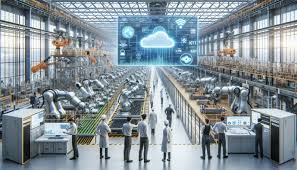
Technology will be the backbone of future industrial zones. The rise of Industry 4.0 has already begun reshaping industrial operations.
Smart Industrial Zones
Future industrial zones will be “smart zones” powered by digital technologies such as:
- Artificial Intelligence (AI)
- Internet of Things (IoT)
- Automation and robotics
- Big data analytics
Smart sensors will monitor energy use, waste generation, and production efficiency in real time. Automated systems will reduce human error and increase productivity.
Digital Infrastructure
High-speed internet, cloud computing, and digital platforms will enable industries to coordinate supply chains, manage inventory, and connect with global markets instantly. This will make industrial zones more competitive and resilient.
Sustainable and Green Industrial Zones
One of the most important aspects of the future of industrial zones is sustainability.
Eco-Friendly Design
Future industrial zones will be designed with environmental protection in mind. This includes:
- Green buildings
- Solar and wind energy use
- Rainwater harvesting
- Efficient waste management systems
Circular Economy Model
Instead of the traditional “use and dispose” model, future industrial zones will follow a circular economy approach. Waste from one industry can be used as raw material for another. This reduces pollution and conserves resources.
Reduced Carbon Emissions
With global commitments to reduce carbon emissions, industrial zones will adopt clean energy solutions and low-emission technologies. Electric transport, hydrogen fuel, and carbon capture systems will become common features.
Future Industrial Zones and Employment
Industrial zones have always been major sources of employment. In the future, the nature of jobs will change significantly.
Shift in Skill Requirements
Automation may reduce demand for unskilled labor, but it will create new opportunities for:
Engineers
Data analysts
Technicians
IT professionals
This shift highlights the importance of skill development and technical education.
Human–Machine Collaboration
Rather than replacing humans completely, future industrial zones will focus on collaboration between humans and machines. Workers will manage, supervise, and improve automated systems.
Integration of Industrial Zones with Urban Development
Future industrial zones will not be isolated from cities. Instead, they will be integrated into smart urban planning.
Industrial–Urban Integration
Modern planning encourages the development of industrial zones near urban centers with proper transport links. This reduces commuting time, improves productivity, and enhances workers’ quality of life.
Live–Work–Play Concept
Future industrial zones may include:
- Residential areas
- Healthcare facilities
- Educational institutions
- Recreational spaces
This approach creates balanced communities rather than isolated industrial areas.Future of Industrial Zones
Role of Governments in Shaping Future Industrial Zones
Governments play a vital role in guiding the future of industrial zones.
Policy Support
Supportive policies such as tax incentives, infrastructure development, and simplified regulations will attract domestic and foreign investment.
Focus on Innovation
Governments will promote research and development centers within industrial zones. Innovation hubs and startup incubators will encourage new ideas and technologies.
Public–Private Partnerships
Collaboration between governments and private companies will help develop modern industrial zones efficiently and sustainably.
Special Economic Zones and the Future
Special Economic Zones (SEZs) are expected to play a major role in the future of industrial development.
Global Competitiveness
SEZs offer favorable conditions such as tax benefits, export incentives, and modern infrastructure. In the future, SEZs will focus on high-tech industries, renewable energy, and advanced manufacturing.
Export-Oriented Growth
Future industrial zones will be closely linked to global supply chains. Digital trade, e-commerce, and advanced logistics will strengthen export-oriented industrial growth.
Challenges Facing Future Industrial Zones
Despite the positive outlook, several challenges remain.
High Initial Investment
Developing smart and green industrial zones requires large financial investment. Not all countries or regions may have access to sufficient funds.
Skill Gaps
Rapid technological advancement may lead to skill shortages. Without proper training programs, workers may struggle to adapt.
Environmental Risks
If sustainability measures are not strictly enforced, industrial zones can still cause environmental damage.
Unequal Development
There is a risk that industrial growth may remain concentrated in a few regions, increasing regional inequality.
Opportunities in the Future of Industrial Zones
Along with challenges, the future also offers numerous opportunities.
- Boost in economic growth
- Attraction of foreign direct investment
- Development of advanced technologies
- Creation of high-quality jobs
- Improved environmental protection
Countries that successfully adapt their industrial zones to future needs will gain a strong competitive advantage.
Industrial Zones and Globalization
Globalization will continue to influence the future of industrial zones.
Global Supply Chains
Industrial zones will become nodes in global production networks. Efficient logistics and digital connectivity will be essential.
Resilience and Self-Reliance
Recent global disruptions have highlighted the need for resilient industrial systems. Future industrial zones will balance global integration with local self-reliance.
Future Vision of Industrial Zones
The industrial zone of the future can be described as:
- Smart and digitally connected
- Environmentally sustainable
- Economically competitive
- Socially inclusive
Such zones will not only produce goods but also generate knowledge, innovation, and sustainable development.
Conclusion
The future of industrial zones represents a shift from traditional, pollution-heavy manufacturing centers to smart, sustainable, and innovation-driven ecosystems. Technology, environmental responsibility, skilled labor, and effective governance will shape this transformation. While challenges such as high investment costs and skill gaps remain, the opportunities far outweigh the risks











Leave a Reply