
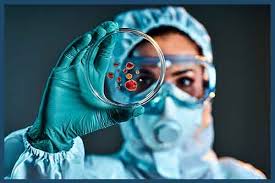
Microbiology is the branch of science that studies microorganisms, which are living things too small to be seen with the naked eye. These microscopic organisms include bacteria, viruses, fungi, protozoa, and microscopic algae. Although they are invisible to us without special tools, microorganisms play a huge role in life on Earth. They exist everywhere— in the air we breathe, the soil we walk on, the water we drink, and even inside the human body.
Microbiology helps us understand how these tiny organisms affect health, the environment, food production, and industry. From causing diseases to helping digest food and recycle nutrients, microorganisms influence nearly every aspect of life. By studying microbiology, scientists can fight infections, develop medicines, protect the environment, and improve human well-being.
History and Development of Microbiology
The field of microbiology began in the 17th century with the invention of the microscope. Before this time, people had no idea that microscopic life existed. In the 1660s, Antonie van Leeuwenhoek, a Dutch scientist, was the first to observe microorganisms using a simple microscope he built himself. He described tiny “animalcules,” which we now know were bacteria and protozoa.
Later, in the 19th century, microbiology developed rapidly due to the work of scientists such as Louis Pasteur and Robert Koch. Pasteur showed that microorganisms were responsible for fermentation and spoilage and helped disprove the idea of spontaneous generation. He also developed vaccines for diseases like rabies and anthrax. Robert Koch identified specific bacteria that caused diseases such as tuberculosis and cholera, establishing methods still used in microbiology today.
These discoveries transformed medicine and public health, leading to better hygiene, sterilization, and disease prevention.
Types of Microorganisms
Microorganisms are diverse and can be classified into several main groups based on their structure and characteristics.
Bacteria
Bacteria are single-celled organisms found almost everywhere on Earth. Some bacteria are helpful, while others can cause disease. Beneficial bacteria help digest food in the human gut, produce vitamins, and decompose organic matter in nature. Harmful bacteria can cause illnesses such as pneumonia, food poisoning, and tuberculosis.
Bacteria reproduce quickly through a process called binary fission, allowing populations to grow rapidly under favorable conditions.
Viruses
Viruses are the smallest of all microorganisms and are not considered fully living organisms because they cannot reproduce on their own. They must infect a host cell to multiply. Viruses can infect humans, animals, plants, and even bacteria.
Some viruses cause diseases such as influenza, measles, and COVID-19, while others are used in medical research and treatments, such as gene therapy and vaccine development.
Fungi
Fungi include yeasts, molds, and mushrooms. Microscopic fungi play important roles in decomposing organic matter and recycling nutrients. Yeasts are used in baking and brewing, while some fungi produce antibiotics, such as penicillin.
However, certain fungi can cause infections, especially in people with weakened immune systems.
Protozoa
Protozoa are single-celled organisms that are usually found in water or moist environments. Some protozoa are harmless, while others cause diseases such as malaria and amoebic dysentery. Protozoa often move using structures like flagella or cilia.
Microscopic Algae
Microscopic algae are plant-like microorganisms that perform photosynthesis, producing oxygen and forming the base of many aquatic food chains. They play a crucial role in maintaining Earth’s oxygen levels and supporting marine life.
Tools and Techniques in Microbiology
Microbiologists use specialized tools and techniques to study microorganisms. The most important tool is the microscope, which allows scientists to observe cells too small to be seen by the naked eye. Light microscopes are commonly used in schools and laboratories, while electron microscopes provide highly detailed images of microorganisms.
Other techniques include culturing, where microorganisms are grown in controlled environments, and staining, which helps highlight specific structures of microbial cells. Modern microbiology also uses molecular tools such as DNA sequencing to study genetic material and identify microorganisms accurately.
Microbiology and Human Health
One of the most important applications of microbiology is in medicine and healthcare. Understanding microorganisms helps doctors diagnose, treat, and prevent diseases.
Pathogens and Disease
Some microorganisms, called pathogens, cause disease when they invade the body. These can include bacteria, viruses, fungi, and protozoa. Microbiology helps scientists understand how pathogens spread, how they damage the body, and how the immune system responds to them.
This knowledge leads to the development of antibiotics, antiviral drugs, and vaccines, which save millions of lives each year.
The Human Microbiome
Not all microorganisms are harmful. The human body is home to trillions of beneficial microorganisms, collectively known as the human microbiome. These microbes live in the gut, skin, mouth, and other areas.
The gut microbiome helps digest food, produce vitamins, and support the immune system. Research in microbiology has shown that a healthy balance of microorganisms is essential for overall health.
Microbiology in Food and Agriculture
Microbiology plays a major role in food production and agriculture. Many foods are produced through microbial processes, including yogurt, cheese, bread, vinegar, and fermented vegetables.
In agriculture, microorganisms improve soil fertility by breaking down organic matter and fixing nitrogen, which helps plants grow. Scientists also use microbiology to protect crops from pests and diseases and to develop sustainable farming practices.
Food safety is another important area. Microbiologists study foodborne pathogens to prevent contamination and protect public health.
Environmental Microbiology
Environmental microbiology focuses on how microorganisms interact with the environment. Microbes are essential for recycling nutrients such as carbon, nitrogen, and sulfur. Without them, ecosystems would collapse.
Microorganisms are also used in bioremediation, a process where microbes clean up polluted environments by breaking down harmful substances like oil spills and toxic waste. This shows how microbiology can help solve environmental problems.
Industrial and Biotechnological Applications
Microbiology is widely used in industry and biotechnology. Microorganisms are used to produce medicines, enzymes, biofuels, and chemicals. For example, bacteria are used to make insulin for people with diabetes, and yeast is used in the production of alcohol and bioethanol.
Biotechnology combines microbiology with genetics to create new products and improve existing ones. This field has led to advances in medicine, agriculture, and environmental protection.
Microbiology in Research and Innovation
Modern microbiology continues to grow with advances in technology. Scientists now study microorganisms at the genetic and molecular levels, opening new possibilities for treating diseases and improving quality of life.
Research in microbiology helps address global challenges such as emerging infectious diseases, antibiotic resistance, climate change, and food security.
Importance of Studying Microbiology
Studying microbiology helps people understand that not all microbes are harmful. In fact, most microorganisms are beneficial and essential for life on Earth. Microbiology encourages critical thinking, scientific curiosity, and problem-solving skills.
It also prepares students for careers in medicine, research, environmental science, biotechnology, and public health.
Microbiology reveals a hidden world that has a powerful influence on life. Although microorganisms are tiny, their impact is enormous. They shape ecosystems, support human health, produce food, and drive scientific and technological progress.
By studying microbiology, we gain knowledge that helps protect health, preserve the environment, and improve living standards. As science advances, microbiology will continue to play a vital role in solving global challenges and building a better future.










Leave a Reply