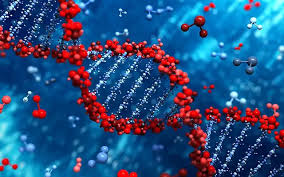
Biochemistry is the branch of science that explores the chemical processes occurring within and related to living organisms. It lies at the intersection of biology and chemistry and helps us understand life at a molecular level. From the way our bodies produce energy to how DNA carries genetic information, biochemistry explains the chemical basis of all biological functions. Without biochemistry, modern medicine, biotechnology, genetics, and even nutrition science would not exist.
What Is Biochemistry?
Biochemistry focuses on the structure, function, and interactions of biological molecules such as proteins, carbohydrates, lipids, nucleic acids, and enzymes. These molecules form the foundation of cells, tissues, and organs, and they control every biological process in living organisms.
Unlike biology, which often studies organisms as a whole, biochemistry looks deeper—at atoms and molecules. It answers questions like:How do enzymes speed up chemical reactions?
By answering these questions, biochemistry helps us understand how life works at its most basic level.
Major Biomolecules in Biochemistry
Living organisms are made up of four major classes of biomolecules. Each plays a unique and essential role in sustaining life.
1. Carbohydrates
Carbohydrates are organic molecules composed of carbon, hydrogen, and oxygen, usually in a 1:2:1 ratio. They are the primary source of energy for most living organisms.
Functions of carbohydrates:
exmples include glucose, sucrose, starch, and cellulose. During cellular respiration, glucose is broken down to release energy in the form of ATP (adenosine triphosphate).
2. Proteins
Proteins are large, complex molecules made of amino acids linked together by peptide bonds. They are often called the “workhorses” of the cell because they perform a wide variety of functions.
Functions of proteins:
- Act as enzymes to speed up reactions
- Provide structure (collagen, keratin)
- Transport substances (hemoglobin)
- Defense (antibodies)
- Communication (hormones)
The structure of a protein determines its function. Even a small change in protein structure can lead to serious diseases, such as sickle cell anemia.
3. Lipids
Lipids include fats, oils, phospholipids, and steroids. They are hydrophobic (do not dissolve in water) and are mainly used for long-term energy storage.
Functions of lipids:
- Store energy
- Form cell membranes (phospholipid bilayer)
- Provide insulation and protection
- Act as hormones (steroids)
Cell membranes are made largely of phospholipids, which allow cells to control what enters and leaves them.
4. Nucleic Acids
Nucleic acids store and transmit genetic information. They are made of smaller units called nucleotides.
There are two main types:
- DNA (Deoxyribonucleic acid): Stores genetic information
- RNA (Ribonucleic acid): Helps in protein synthesis
DNA contains instructions that determine an organism’s traits, while RNA helps translate those instructions into proteins.
Enzymes: Biological Catalysts
Enzymes are special proteins that speed up chemical reactions without being consumed. Without enzymes, most biochemical reactions would occur too slowly to support life.
Key features of enzymes:
- Highly specific (each enzyme works on a specific substrate)
- Reusable
- Affected by temperature, pH, and concentration
Enzymes work by lowering the activation energy required for a reaction. For example, digestive enzymes like amylase and pepsin help break down food into simpler molecules that the body can absorb.
Metabolism: Life’s Chemical Reactions
Metabolism refers to all chemical reactions that occur in a living organism. It is divided into two main categories:
1. Catabolism
Catabolic reactions break down complex molecules into simpler ones, releasing energy. An example is cellular respiration, where glucose is broken down to produce ATP.
2. Anabolism
Anabolic reactions build complex molecules from simpler ones, requiring energy. Examples include protein synthesis and photosynthesis.
Both processes are essential for growth, repair, and maintaining balance within the body.
ATP: The Energy Currency of the Cell
ATP (adenosine triphosphate) is the primary energy carrier in living cells. When ATP is broken down into ADP (adenosine diphosphate), energy is released for cellular activities such as muscle contraction, nerve transmission, and active transport.
Cells constantly recycle ATP to meet energy demands, making it one of the most important molecules in biochemistry.
Biochemistry and Genetics
Biochemistry plays a vital role in genetics. DNA replication, transcription, and translation are all biochemical processes involving enzymes and nucleic acids.
- Replication: DNA makes an exact copy of itself
- Transcription: DNA is converted into RNA
- Translation: RNA is used to synthesize proteins
Errors in these processes can lead to mutations and genetic disorders. Understanding the biochemistry behind genetics helps scientists develop treatments for inherited diseases.
Applications of Biochemistry
Biochemistry has numerous real-world applications that affect our daily lives.
1. Medicine
Biochemistry helps in:
- Developing drugs and vaccines
- Diagnosing diseases through blood and urine tests
- Understanding cancer, diabetes, and genetic disorders
2. Biotechnology
Used in:
- Genetic engineering
- Production of insulin and growth hormones
- Development of genetically modified organisms (GMOs)
3. Nutrition
Biochemistry explains how nutrients are digested, absorbed, and used by the body, helping create balanced diets and treat deficiencies.
4. Agriculture
Biochemical research improves crop yield, pest resistance, and soil health.
Importance of Biochemistry in Everyday Life
Even though we may not notice it, biochemistry affects many aspects of daily life. Digestion, breathing, muscle movement, thinking, and even emotions depend on biochemical reactions. The food we eat, the medicines we take, and the energy we use are all connected to biochemistry.
Understanding biochemistry also helps students develop problem-solving skills and prepares them for careers in medicine, research, pharmacy, and environmental science.
Biochemistry is the science that explains life at the molecular level. By studying biomolecules, enzymes, metabolism, and genetic processes, biochemistry helps us understand how living organisms function, grow, and survive. It bridges the gap between chemistry and biology and plays a crucial role in medicine, biotechnology, and many other fields.
As scientific research advances, biochemistry continues to unlock new discoveries that improve human health and deepen our understanding of life itself. Whether you aim to become a doctor, scientist, or simply want to understand how your body works, biochemistry provides the foundation for exploring the chemistry of life.